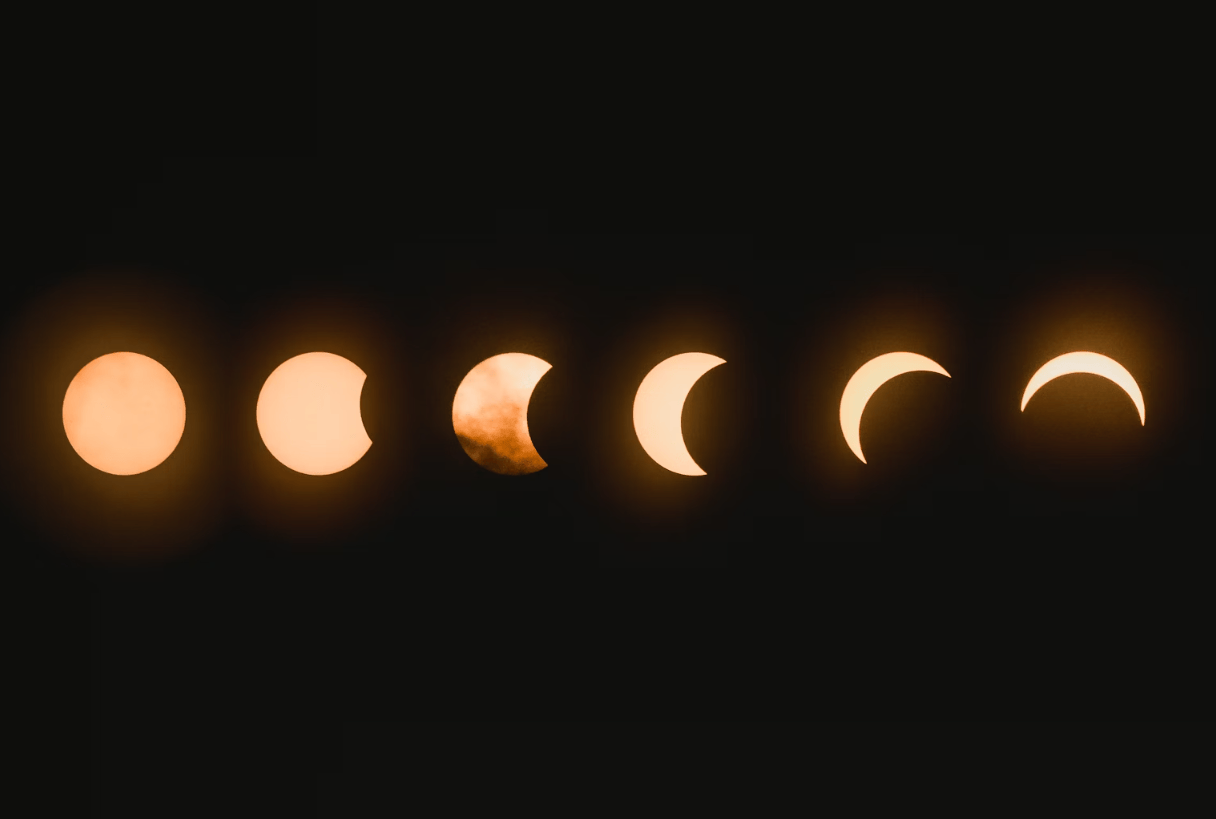
I looked at the moon. It was gorgeous. I’d seen it in the early morning hours then watched it brightly rise as I drove home later that day. Same moon, different positions and times. The moon is the moon. It doesn’t change (much), but what we see or think about it changes. Our perspective changes. Our knowledge changes. We notice more. It catches us off guard at different times of our routines. We ignore and take it for granted at times. It surprises us with its beauty or position at times. It’s the same, but our encounters change.
It’s similar with people, although people change more than the moon. But we see some people as stables in our lives. I’m not just referring to the people who are closest to us. But we get used to the people we encounter in our daily routines even when it’s brief. Whether we realize it or not, we form expectations, and we can be insensitive and selfish when they’re not what we expect.
Some people lean toward change and others rely more on stability, but we can’t escape either. Why is it that we can expect people to accept our own changes while we don’t feel as comfortable encouraging change (or lack of change) in others? Is it because we selfishly want control of it all? Do we lack empathy? Do we fail to take the time to understand, not just others but our own shortcomings and misconceptions of the very people we claim to know so well and have specific expectations and standards, both high and low?
We take people for granted, then we’re caught by surprise when they come into clear view when we least expect them. They might show up in clarifying, beautiful ways. Sometimes we’ll appreciate them, and other times, we’ll be annoyed they’re in a stage of their cycle that we don’t like. It becomes more about us than others. That’s annoying for the recipient, and it’s damaging to the observer. Our perspective reveals more about ourselves than the object of our observation. What we’re focused on and resistant against speaks loudly to our own ability to live well alongside others. It speaks to our appreciation, attention, and blindness. We rationalize because we want to be right, but we’re not all the time.
We’re not the only ones who see the moon, and we look at it from different places. Clouds cover some views. Times change. The lights and noises around us are distracting. People’s perspectives of us are going to be different. Our perspectives are going to be different. But it’s important to be curious, alert, and open in order to notice details and perspectives beyond our own.
The moon looks like a sliver, but it’s not. The moon is covered, but it’s still there. The moon seems inconsistent, but it’s reliable in its own cycle. We can understand it more when we know more. The same is true with people.